For Care Professionals

A fall-prevention tool your patients will actually read.

Gertie's Guide to Not Eating Linoleum is a fully illustrated, character-led fall-prevention book designed for older adults who tune out traditional educational materials.

Grounded in CDC STEADI, AGS clinical practice guidelines, and current physical and occupational therapy practice. Designed to complement — not replace — your clinical fall-prevention conversations.

Get a free advance copy
Evidence-based Patient-friendly Clinician-tested
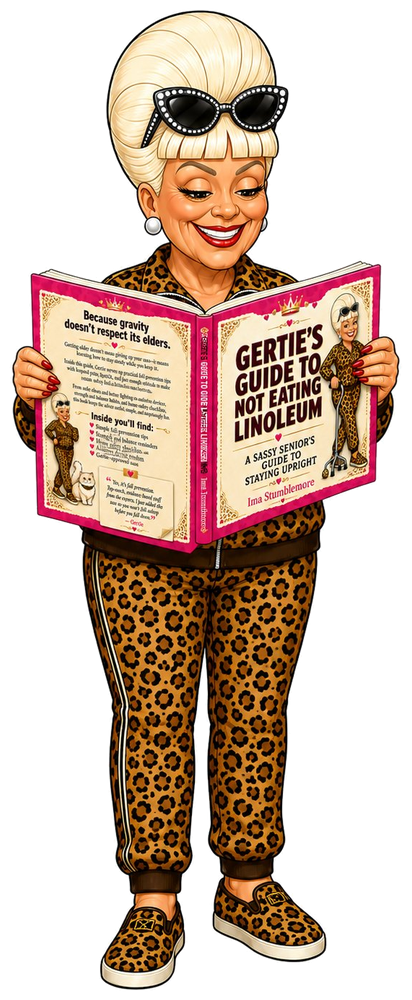
Gertie reading her own book, Gertie's Guide to Not Eating Linoleum
Why It Works

Built for the patients who don't read pamphlets.

Most fall-prevention educational materials end up in the recycling bin. This one is structured around a character your patients want to spend time with.

Patients actually read it

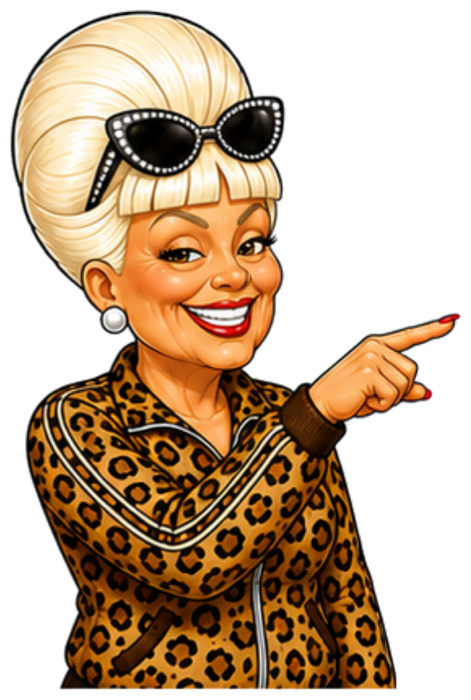
A leopard-print-clad fictional grandmother named Gertie narrates the entire book. Patients pick it up, laugh, finish it — and remember what they read.

Clinically grounded

Built on CDC STEADI, AGS guidelines, the Otago Exercise Program, and current PT/OT practice. The content reinforces what you'd already be teaching.

Sparks the conversation

Gives families and care teams a shared vocabulary for fall prevention. Patients bring it to appointments. Family caregivers actually use it.

Gertie

"Yes, it's fall prevention. Top-notch, evidence-based stuff from the experts. I just added the sass so they won't fall asleep before they fall down."

What's Inside

An 86-page illustrated guide.

Covering the core domains of fall prevention, with printable patient handouts in the back.

  1. Footwear & what you walk on Why slippers, socks, and barefoot are bigger risks than most patients realize.
  2. Home safety & lighting Room-by-room hazard review, with a printable checklist patients can take home.
  3. Strength & balance habits Accessible movement framing, with simple practices patients can build into daily life.
  4. Assistive devices (without the stigma) Why "I don't need a cane yet" is the most expensive lie in geriatric care.
  5. The S.A.F.E.R. method A simple acronym patients actually remember — for moving through their home with intention.
  6. If you do fall Recovery, communication, and follow-up — the conversation most patients never have until it's too late.
  7. Printable handouts Emergency Bingo, Home Safety Check, "Questions for My PT or Doctor," and a Notes page.
Evidence Base

Grounded in current clinical guidance.

The book draws from widely accepted, publicly available fall-prevention frameworks, translated into language patients will engage with.

  • CDC STEADI Stopping Elderly Accidents, Deaths & Injuries — the CDC's flagship fall-prevention initiative.
  • AGS Clinical Practice Guidelines American Geriatrics Society / British Geriatrics Society guidelines on fall prevention in older persons.
  • Otago Exercise Program Evidence-based strength and balance program, evaluated in multiple randomized trials.
  • Current PT & OT practice Standard fall-prevention practices from physical and occupational therapy literature.

Content was developed in consultation with licensed clinicians experienced in geriatric and home health practice. The book is positioned as a patient education resource — it does not provide individual clinical guidance, and the front matter directs readers to consult their own healthcare providers.

Where It Fits

Ways care professionals are planning to use it.

From individual recommendations to bulk patient resources.

1

Welcome kit for new home health patients

Patients receive the book at their first visit. Establishes the fall-prevention conversation from day one.

2

Between-visit reinforcement

Patients revisit the book between PT or OT sessions. Continues the conversation when you're not there.

3

Senior community resource libraries

Stock copies in waiting rooms, activity rooms, or resident libraries. Self-directed patient education.

4

Family caregiver education

The adult-child caregiver reads it, gets the framework, and brings it home to their parent. Shared vocabulary.

5

Fall-prevention event giveaway

September is Falls Prevention Awareness Month. A gift-able resource that actually gets read after the event.

6

Personal recommendation

Just mention it to patients you think would benefit. Available on Amazon — they can buy a copy themselves.

Interested in bulk copies?

We're setting up bulk pricing for clinics, home health agencies, senior centers, and care organizations. Sign up above and select your role — we'll be in touch when ordering opens.

Or contact us directly →